Landscape design for lake and wooded lots

West Bloomfield Landscaper

Design, plantings, lighting and walls for West Bloomfield Township homes

Landscaping in West Bloomfield, MI

West Bloomfield Township is lake country. Pine Lake, Green Lake and a long list of smaller lakes, ponds and wetlands run through it, and plenty of lots that are not on the water still back onto a wetland or a wooded ravine. That shapes almost every landscape job here: what you can plant, where you can dig, and how the yard handles water coming downhill toward the lake. The township sits directly north of Farmington Hills, where we are based.

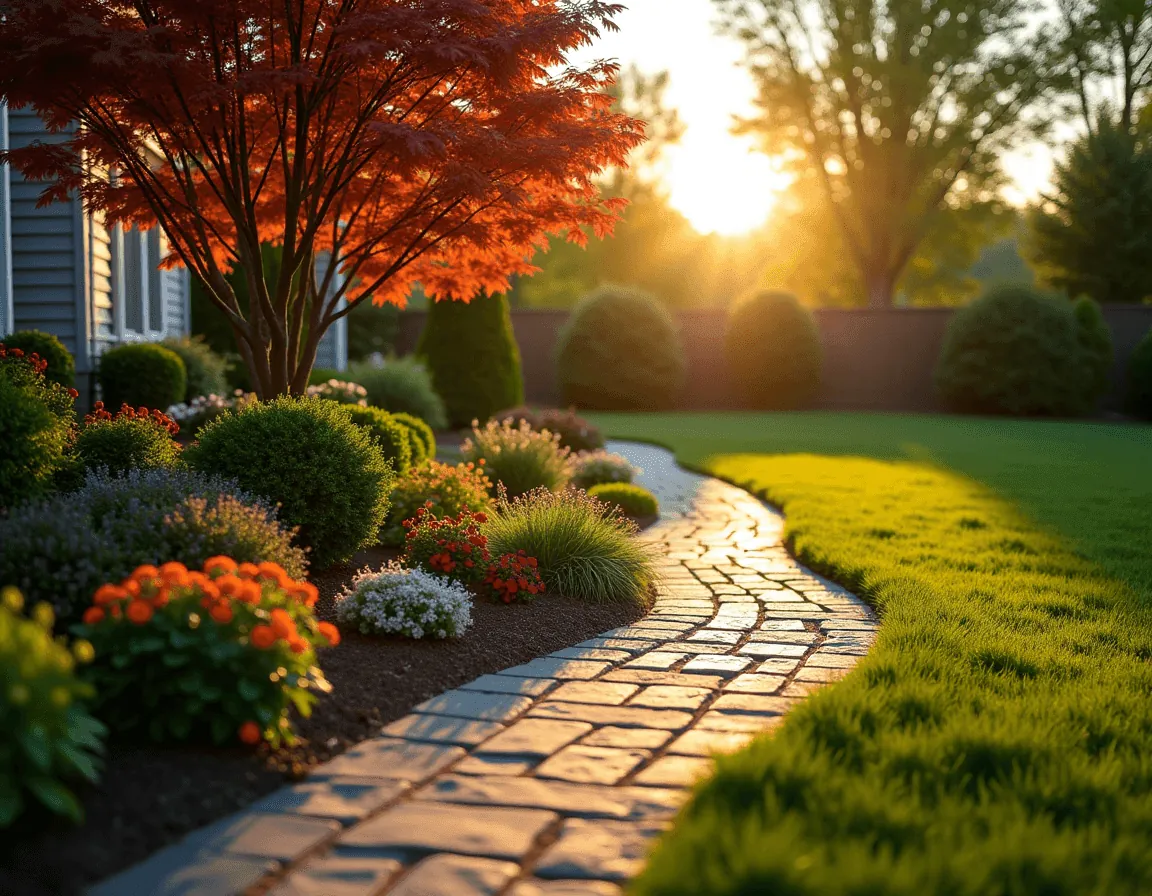
Curved paver walkway between planted beds and a lawn, under a red-leaf Japanese maple
TopSoil.com 2023 Top Landscaper Award

The 25 Foot Setback Comes First

West Bloomfield regulates a strip of land called the environmental features setback: the 25 feet measured from the edge of a wetland or watercourse. According to the township, no work, filling or clearing can happen in a wetland, watercourse, floodplain or that 25 foot setback until a township permit is granted, and that includes landscaping and removing vegetation. Properties inside a designated woodland are regulated too, and you are expected to contact Planning and Development Services before disturbing trees in any of these areas.

So on a lake or wetland lot, the first question for a new patio, a lawn extension or a planting plan is where that line falls. It is far easier to design around it from the start than to redraw a plan after the fact. The township’s Planning and Development Services office is at (248) 451-4818. Outside the regulated areas, the township does not regulate tree removal, though your homeowners association may.

Landscape Design and Plantings

On an established West Bloomfield lot, design work rarely starts from a blank slate. It usually starts with a mature property where the plantings have filled in, the shade has changed as the trees grew, and the beds near the water stay wetter than the ones by the street. A good plan sorts the yard into zones: shade beds under the canopy, sun beds by the house, and wetter ground toward the low side of the lot, each planted with things that will actually do well there.

On the lake side, deep rooted plantings along the slope hold soil better than turf mowed to the edge, and they do not need the fertilizer that ends up running into the water. Near the house, the goal is usually a cleaner, lower planting that stops blocking windows and views of the lake.

Outdoor Lighting for Lake Lots

Lake lots tend to be long and sloped, with steps and paths that are hard to see after dark and a view that disappears at sunset. Low voltage path and step lights make the walk down to the water safe at night, and a few fixtures aimed up into the trees give the yard depth from inside the house. We keep the light pointed down and away from the water and from the neighbors, which looks better and is kinder to everyone else on the lake.

Retaining Walls on Sloped Lots

Grade changes are common on West Bloomfield lots, especially near the water. A wall can turn an unusable slope into a flat patio or planting terrace, but on clay soil it needs drainage stone and a drain pipe behind it or water pressure will push it out of line within a few winters. Any wall or grading near a wetland or the water’s edge also falls under the setback rule above, so it gets checked before it gets drawn.

Our Top Services in West Bloomfield

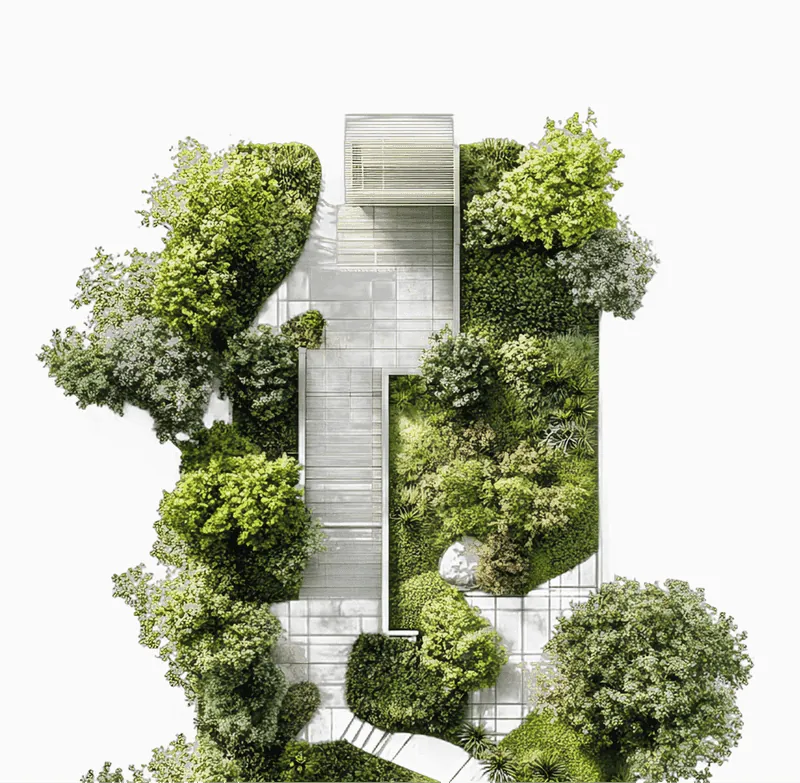
Landscape design with layered planting beds

Landscape Design

Planting plans for shade, sun and wet ground, and designs that work with the setback rather than against it.

Learn more
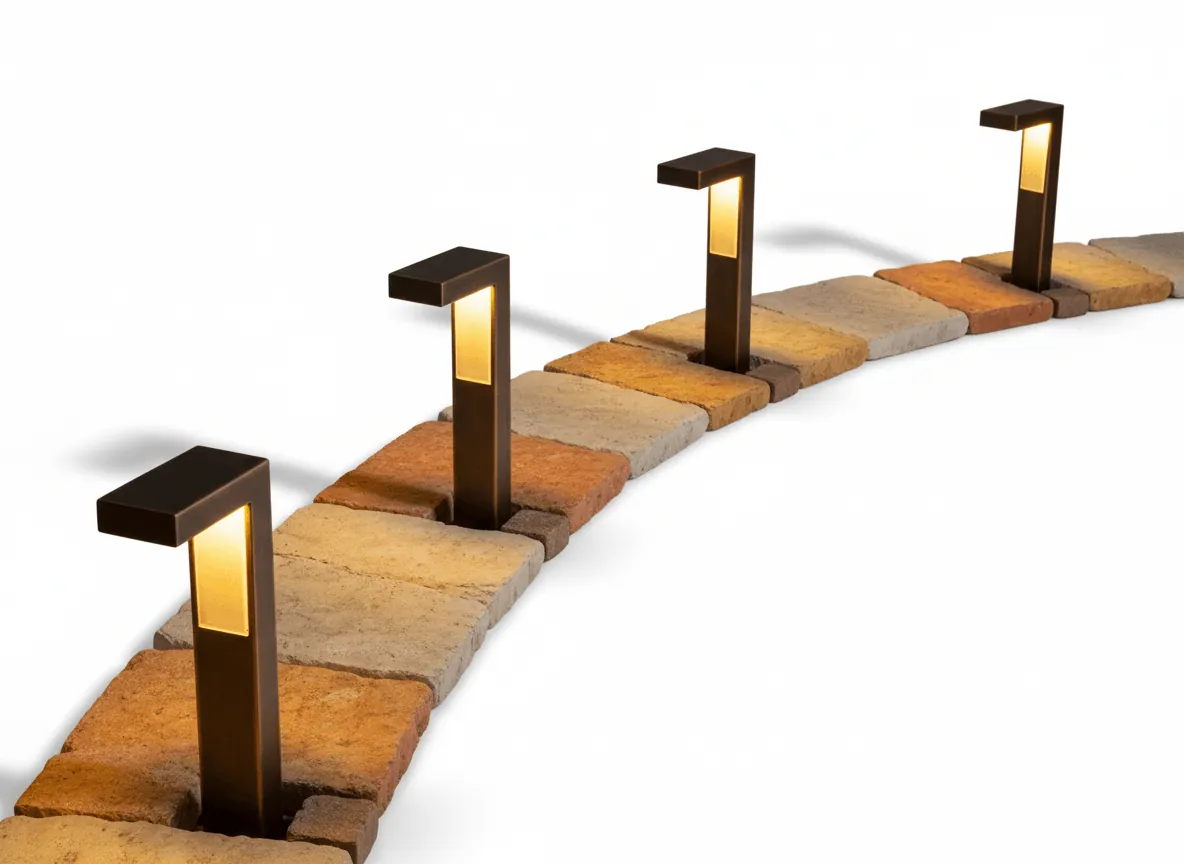
Low voltage path lights set along a paver edge

Outdoor Lighting

Path, step and tree lighting for long, sloped lots, aimed down and away from the water.

Learn more
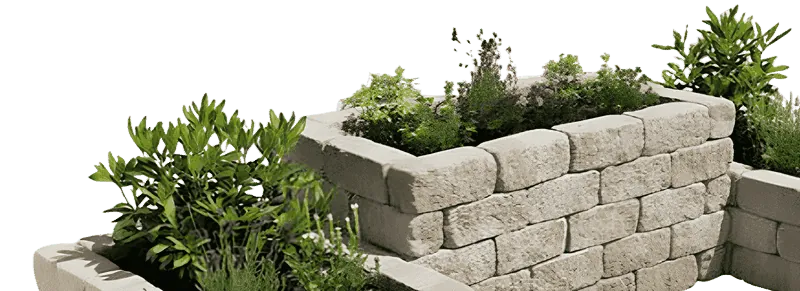
Segmental block retaining wall with planting terraces

Retaining Walls

Walls with proper drainage behind them, to turn a slope into a usable terrace.

Learn more

About West Bloomfield, MI

West Bloomfield is a charter township in Oakland County with roughly 65,000 residents, and it wraps around the City of Orchard Lake Village. The West Bloomfield Trail, a converted rail line, runs through the township, and its many lakes and wetlands set much of the township’s character.

For yard waste, the township uses a single contracted hauler. Collection runs weekly from the first full week of April through the second full week of December, in brown paper yard waste bags or a 35 gallon can with a compost sticker, 50 pounds maximum per can or bundle.

FAQ About West Bloomfield Landscaping

Yes, but work within 25 feet of a wetland or watercourse (the environmental features setback), or in the wetland or floodplain itself, needs a township permit first. That covers landscaping and vegetation removal, not just building. Plan the project around that line and check with Planning and Development Services at (248) 451-4818.

Only if the tree is in a regulated area: a designated woodland, a wetland, or within 25 feet of a wetland or watercourse. In those areas, contact Planning and Development Services before touching the tree. A permit may not be needed if staff find the tree is dead, dying or diseased. Outside regulated areas the township does not regulate removal, but check your HOA rules.

Deep rooted perennials, native grasses and shrubs hold a slope far better than lawn mowed to the edge, and they need little or no fertilizer, which keeps it out of the lake. The exact list depends on sun, how wet the ground stays and what the setback allows.

Usually, for two reasons: safety on steps and paths down to the water, and getting the view back after dark. A small low voltage system with path lights and a few uplights on trees covers most lots.

The township’s yard waste collection runs from the first full week of April through the second full week of December. Use brown paper yard waste bags or a 35 gallon can with a compost sticker, 50 pounds maximum.

Request a quote